Digestive concerns often increase during the holidays, even for those who do not normally struggle with digestion. From a Traditional Chinese Medicine perspective, digestion is particularly sensitive to excess (larger meals, more sugar, richer foods), cold (cold-natured foods, cold drinks), and irregularity (irregular meal times and quantities). Holiday meals often include all three, thus making digestive symptoms more likely during this time of year. Fortunately, there are some little practices that can make a big difference in keeping you feeling well during the holidays.
Use Digestive Bitters Before Meals
Digestive Bitters are tincture formulas that contain bitter herbs as well as carminative herbs. The bitter flavor helps to increase digestive secretions and prime the digestive organs to break down food more efficiently. This can help to reduce bloating, improve appetite, and support fat and protein digestion. Bitter herbs are cooling in nature, so it is best to look for a digestive bitter formula that also contains warming and carminative herbs, such as ginger. Carminative herbs are rich in volatile oils which help to regulate gut contractions, soothe the digestive organs, and remove gas from the digestive tract.
Examples of bitters include gentian, dandelion leaf and root, artichoke, and carminative herbs include ginger, fennel, cardamom, and chamomile. It is best to consume them 10-15 minutes before eating (putting them in a small amount of water helps it to go down, but you don’t want to dilute the bitter flavor too much as that is what helps with digestion).
Try Apple Cider Vinegar Before Eating
A teaspoon to a tablespoon of apple cider vinegar in a little water before meals can support stomach acidity and improve the breakdown of proteins and fats. It also helps stimulate digestive enzymes and bile flow, which can reduce bloating and a heavy feeling after meals. Apple cider vinegar also helps to blunt post-meal blood sugar spikes, so if you anticipate eating a more sugary or carbohydrate-rich meal, apple cider vinegar can help. For sensitive stomachs or those prone to reflux, starting with a smaller amount and always diluting well is best. Pro-tip: you can also add a couple dropperfuls of your bitters directly to the apple cider vinegar.
Walk After Eating
If it’s not possible to do any of these tips before meals, a 10–20 minute walk after meals enhances digestion by improving motility and reducing bloating. It also increases glucose uptake by the muscles, lowering the intensity of blood sugar spikes that often follow holiday meals. If you feel sluggish and like you’ve had too much to eat, a short walk can help with promoting digestion.
Avoid Excess Liquids With Meals
Drinking large amounts of fluid during meals can dilute digestive enzymes and stomach acid, making it harder to break down food. Of course, go ahead and drink if you are thirsty, but focus most hydration between meals for better digestion and less bloating.
Skip Cold Drinks With Food
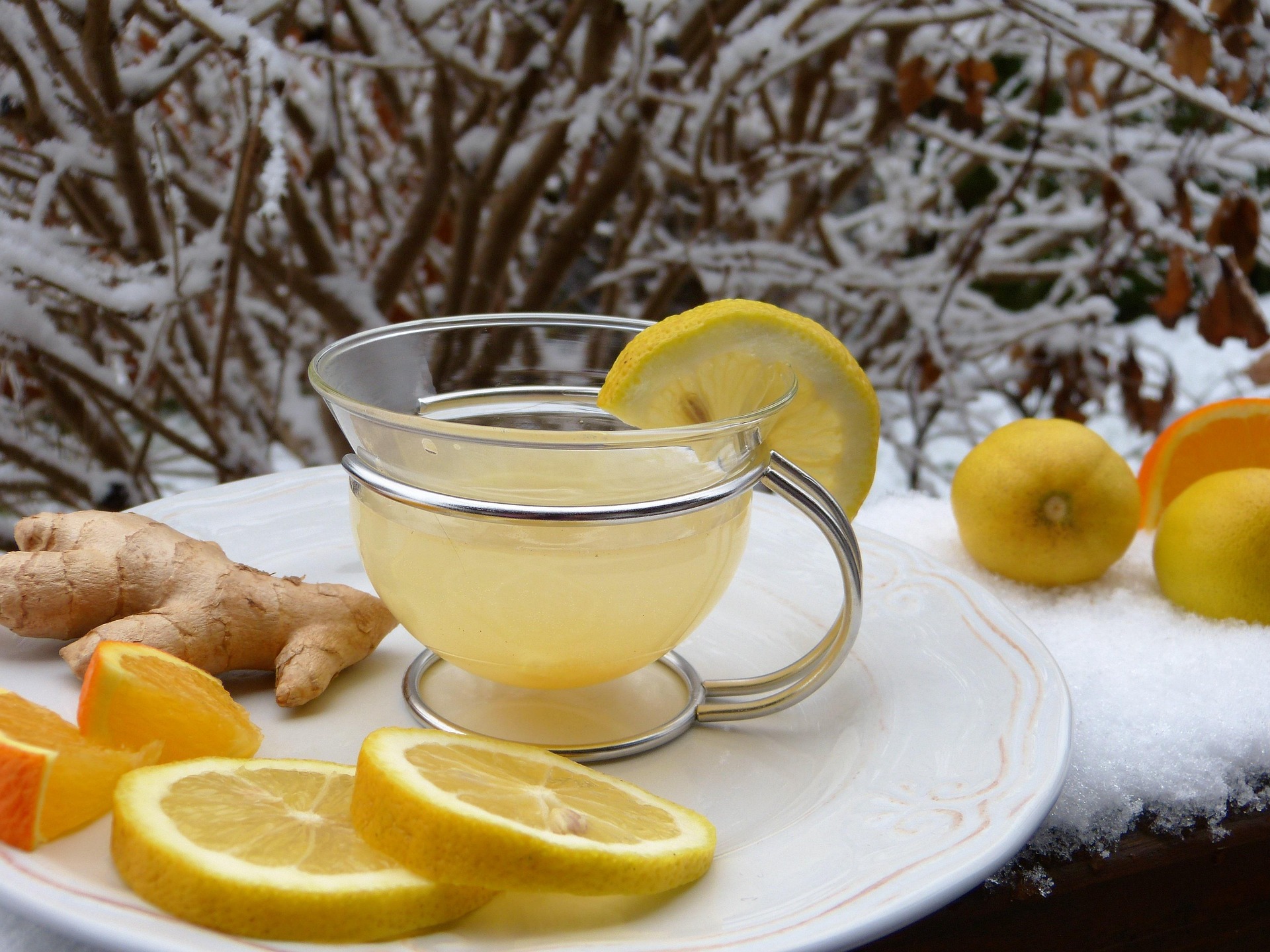
Along a similar vein, drinking warm liquids (like warm ginger tea or chai) can actually help to aid digestion, whereas cold drinks can hinder it. According to Chinese Medicine, cold beverages weaken our digestive fire and the systems that are responsible for transforming and transporting food into qi. This can lead to bloating, loose stool, or a feeling of heaviness.
Traditional Chinese Medicine Lens: Food Stagnation
If meals are leaving you overly full, bloated, or sluggish, Traditional Chinese Medicine uses specific herbal formulas to relieve what they call a diagnosis of food stagnation. A traditional example of a formula is called Bao He Wan, which is used for overeating, belching, abdominal distention, and sluggish digestion. Food stagnation can lead to reflux, diarrhea, or constipation, depending on the presentation. It is best to work with a practitioner for a formula best suited to you (and, additionally, acupuncture can help to strengthen your digestive organs and regulate the flow of qi).
Magnesium
If you tend toward constipation with heavier, richer foods, keep up with your magnesium intake to ensure that you are staying regular through the holiday meals to avoid something like food stagnation.
Eat Mindfully
Taking your time with meals, chewing thoroughly, and being present can support digestion. Pause to take deep breaths, notice flavors and textures, and check in with how full or satisfied you feel. Mindful eating helps regulate appetite, reduces overeating, and gives your digestive system a chance to function optimally.
With all this said, the goal is support, not perfection. Even with supportive habits in place, it is normal to be outside of your usual routine during the holidays. Short-term changes do not undo long-term health. Enjoy this time with family and friends and don’t worry if you are too much out of your routine—there are always ways to re-regulate afterward.
Wishing everyone a wonderful holiday season!